Health care costs have been growing at an alarming rate in recent years, and they’re not slowing down. Surveys project that U.S. health care costs are likely to increase in many cases over 10% in 2026. Regardless of the exact figure, employers can expect their health care costs to continue to skyrocket throughout 2026.
Rob Wilson, President of Employco USA, joins Owen Fairclough of CGTN America to discuss how artificial intelligence is reshaping U.S. jobs and the broader workforce landscape.
“From Amazon to Walmart, artificial intelligence is simultaneously transforming and eliminating U.S. jobs at an astonishing rate. That’s great for investors who see bigger profits from leaner companies with lower costs from smaller workforces. But it’s also raising anxiety among employees, as well as urgent questions that policymakers need to address about the impact of AI. Owen Fairclough reports.”
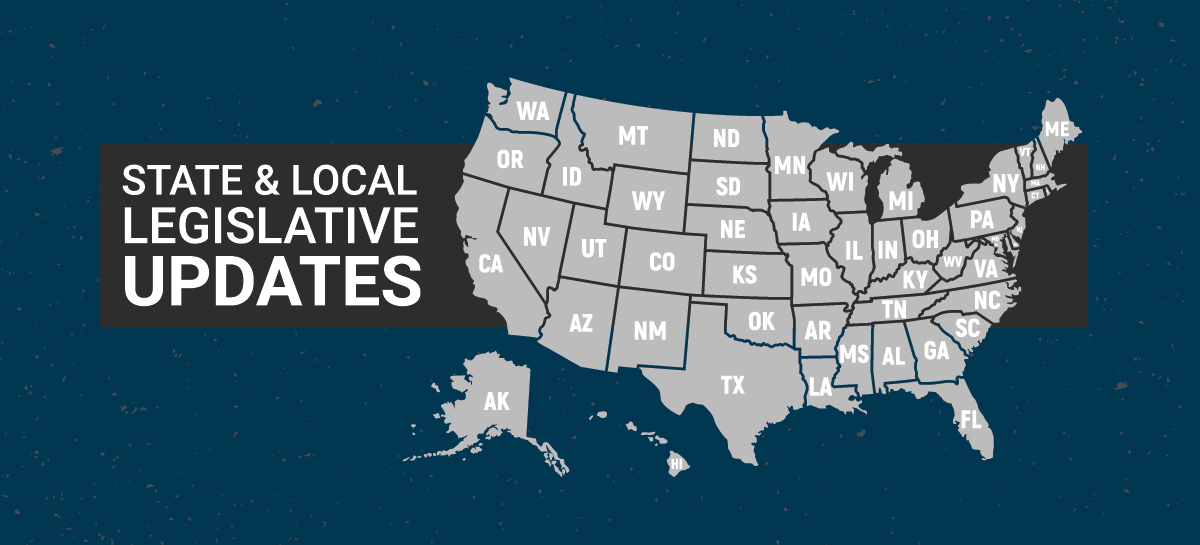
Delaware Enacts Pay Transparency Law – On Sept. 26, 2025, Delaware enacted a law requiring employers to include salary or wage ranges and benefits information in job postings. The law takes effect on Sept. 26, 2027, and applies to employers with 26 or more employees.
During the fall and winter months, respiratory viruses tend to spread more widely. Common respiratory viruses include the common cold, influenza (flu), respiratory syncytial virus (RSV), and COVID-19. Although some people have mild symptoms when they catch a virus, others get sick enough to be hospitalized, especially older or higher-risk adults.
The gig economy is a system in which organizations engage individuals, often through digital platforms or intermediaries, for temporary or task-based work, rather than relying solely on full- and part-time employees. It’s quickly becoming a key component of the world economy. Organizations are increasingly turning to gig workers to meet labor demands, especially as they navigate shrinking budgets and evolving workforce expectations.
In recent years, there have been significant changes in employee leave laws at the state level as states continue to pass and expand leave laws. As leave entitlements expand, numerous leave law trends have emerged.
In particular, states have implemented new paid sick leave (PSL) and paid family and medical leave (PFML) programs. Other states have updated their PSL and PFML laws to stay current with the provisions of the newer laws. Other significant trends include state PSL ballot measures, expanded reasons for leave, expanded definitions of “family member,” and the redesigning of state PFML laws to work with the federal Family and Medical Leave Act (FMLA). Another particularly interesting trend has been the emergence of voluntary paid family leave insurance programs.
When the COVID-19 pandemic forced organizations to rethink the traditional office, hybrid work quickly emerged as a practical solution. Employees adapted to remote tools and flexible schedules, while employers experimented with new policies to maintain productivity and engagement.
What began as a temporary response has now evolved into a long-term reality. Some studies have found that 12% of employees now work fully remotely, while 28% work in a hybrid arrangement. In other words, a significant share of workplaces are actively supporting hybrid teams and refining this model for the long haul. This shift raises important questions for employers: How should hybrid work be structured? What does the future look like? How can organizations position themselves to succeed in this evolving landscape?
HR Chat w/Employco USA: 2026 Health Plan Premium Increases
In this HR Chat, Rob and Jason break down why health plan premiums are expected to climb sharply in 2026, the biggest jump in over 15 years! They explain what’s fueling these cost hikes and share strategies to help employers prepare for renewal season.
Contact hr@employco.com to learn how your company can navigate rising health care costs and keep benefits competitive in 2026.
Schedule a 15-minute call with Griffen Wilson for more information on our services.
California’s Minimum Wage Rate to Increase on Jan. 1, 2026 – On Aug. 1, 2025, the California Department of Finance (the Department) announced that the state’s hourly minimum wage will increase to $16.90 per hour on Jan. 1, 2026. The new rate will apply to all employers, regardless of how many individuals they employ.