Podcast: 5 Attraction and Retention Trends to Monitor in 2026

In this month’s HR podcast, Rob, Scott, and Jason discuss key attraction and retention trends shaping the workforce in 2026. They explore the continued growth of the gig economy, the expanding role of artificial intelligence, employee burnout and engagement challenges, layoffs and workforce stability, and how employers can adapt their strategies to remain competitive in a shifting labor market.

For guidance on workforce planning, compliance, and HR strategy, contact hr@employco.com.
Podcast: 5 Attraction and Retention Trends to Monitor in 2026

HR Chat w/Employco USA: Calculating FMLA Leave

Calculating FMLA leave can become especially complex when holiday weeks are involved. In this HR Chat, Rob and Jason discuss how holidays impact FMLA leave calculations, when holidays count toward an employee’s entitlement, and common mistakes employers should avoid when administering leave during holiday periods.

Contact hr@employco.com for guidance on FMLA compliance and leave administration.

Schedule a 15-minute call with Griffen Wilson for more information on our services.

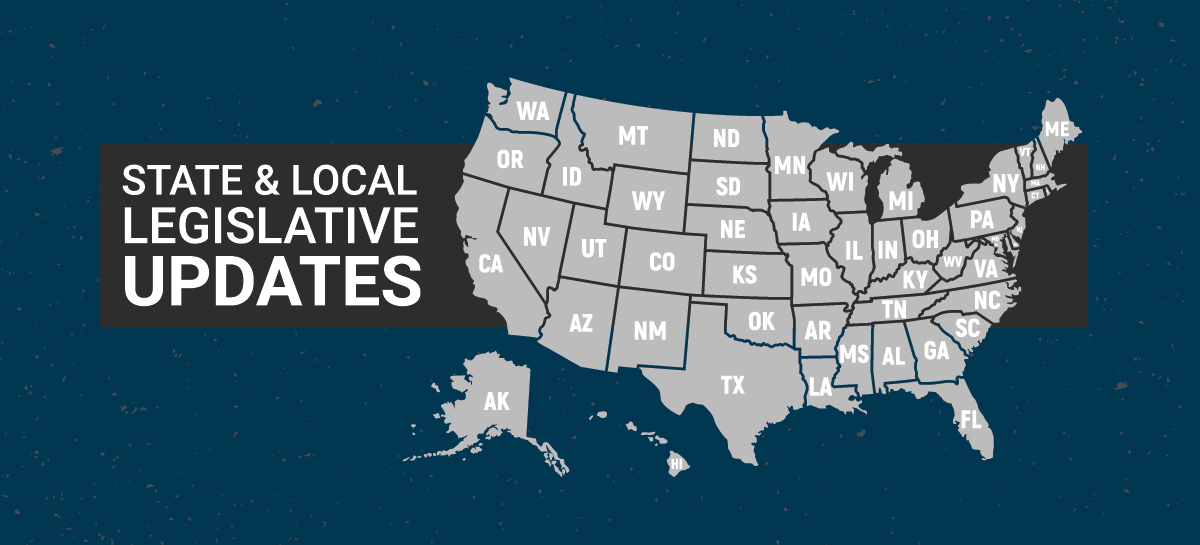
HR Newsletter: State Legislative Updates

Delaware Issues Regulations for Paid Family and Medical Leave – The Delaware Division of Paid Leave has published final regulations for the state’s paid family and medical leave program (PFML), which begins providing benefits Jan. 1, 2026. The new regulations amend the previous rules to provide new definitions of “application year” and “employee” under the program, guidance for self-insured employers, and modifications to information collected by the Division. There are also revisions that align the regulations with amendments previously made to the PFML statute. PFML contributions from employees and employers began in January 2025.

Continue reading

HR Newsletter: Minimum Wage and Tips

HR Newsletter: Minimum Wage and Tips

On Jan. 5, 2026, the U.S. Department of Labor (DOL) issued Opinion Letter FLSA 2026-4, addressing the following:

  • Whether, in a jurisdiction where the state minimum wage exceeds the federal minimum wage, an employer must use the federal minimum to determine if it has satisfied the minimum pay standard in Section 7(i)(1) of the Fair Labor Standards Act (FLSA); and
  • Whether tips must be considered compensation when determining if more than half of an employee’s earnings come from commissions, as required by Section7(i)(2).
Continue reading

HR Newsletter: Bonus Payments Included in Regular Rate of Pay

HR Newsletter: Bonus Payments Included in Regular Rate of Pay

On Jan. 5, 2026, the U.S. Department of Labor (DOL) issued Opinion Letter FLSA2026-2, responding to an employee’s question regarding whether Section 7(e) of the Fair Labor Standards Act (FLSA) permits an employer to exclude certain bonus payments from an employee’s regular rate of pay. The question concerns an employer’s bonus plan that allows employees to earn supplemental performance-based bonuses for each pay period. If earned, these bonuses would apply to all hours worked in that pay period.

Continue reading

HR Newsletter: Calculating FMLA Leave During Holiday Weeks

HR Newsletter: Calculating FMLA Leave During Holiday Weeks

Holiday weeks can pose an extra administrative challenge to employers with employees on leave under the federal Family and Medical Leave Act (FMLA). In addition to their regular FMLA obligations, employers must figure out how to calculate employees’ leave use when the leave coincides with a holiday. FMLA regulations and an opinion letter from the U.S. Department of Labor’s (DOL’s) Wage and Hour Division help clarify how employers should address holidays when calculating employees’ FMLA leave. The letter distinguishes between full and partial weeks taken during a week with a holiday and explains the proper way to determine the portion of a workweek used.

Continue reading

HR Newsletter: Employee Benefits – Market Outlook for 2026

HR Newsletter: Employee Benefits – Market Outlook for 2026

In 2026, the employee benefits market is being shaped by a variety of trends, including regulatory volatility, shifting compliance priorities, accelerated cost pressures, and ever-evolving workplace demands. Employers should brace for a compliance environment defined by change and uncertainty. Streamlined Affordable Care Act (ACA) reporting requirements should help reduce administrative strain, while potential updates to federal mental health parity regulations remain critical to monitor. The sweeping One Big Beautiful Bill Act (OBBBA) introduced extensive changes to employee benefit plans, most of which take effect in 2026. Added to this are shifting regulatory priorities under the Trump administration, ongoing benefits-related litigation, and changes to federal budgets and staffing.

Continue reading

HR Newsletter: 5 Attraction and Retention Trends to Monitor in 2026

HR Newsletter: 5 Attraction and Retention Trends to Monitor in 2026

In 2026, the labor market continues to evolve in meaningful ways. Employers are navigating a labor market shaped by technological disruption, shifting worker priorities, and economic uncertainty, all while striving to attract and retain top talent. These shifts present an opportunity for organizations to rethink how they approach hiring, development, and retention. The trend topics include gig work, artificial intelligence, burnout, layoffs, and labor market stability.

Continue reading

Podcast: AI in the Workplace

In this month’s HR podcast, Rob, Scott, and Jason discuss how artificial intelligence is being used across organizations and what employers should focus on as adoption grows. They cover the importance of employee training and upskilling, how to identify skills gaps, common mistakes to avoid, and why clear AI policies are essential to successful implementation.

For support with AI readiness, training, or policy development, contact hr@employco.com.

Podcast: AI in the Workplace