Employment expert weighs in on changes to employment authorization forms
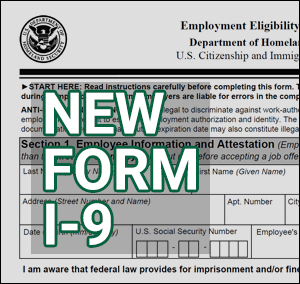 The U.S. Citizenship and Immigration Services (USCIS) just published a new Form I-9 for employers to begin using immediately. The Form I-9, which is used to verify new hires’ identity and employment authorization to work in the United States, now includes several changes.
“Employers can continue using the prior version until April 30, 2020. Starting in May, employers will be required to use the new form (expiration date of 10/31/2022) exclusively,” says Rob Wilson, President of Employco USA, a national employment solutions firm.
The new I-9 forms include changes to who can act as an authorized representative on behalf of an employer, explains the human resources expert, along with clarifications to acceptable documents as well as an updated DHS Privacy Notice.
The human resources expert says that employees who have properly filled out I-9 forms in the past do not need to submit new forms to their employer.
For more on this topic, please contact Rob Wilson at rwilson@thewilsoncompanies.com.
 The 62nd Grammy Awards made headlines for performances from Lizzo and Billie Eilish, but what really caught the public’s attention was the scandal brewing just below the evening’s surface. Just 10 days before the ceremony, the Academy’s first female CEO and President, Deborah Dugan, was put on administrative leave. She has filed charges of sex-based discrimination in the workplace, sexual harassment at the hands of Joel Katz (the Recording Academy’s general counsel), as well as voting corruption and more.
 In January, the Department of Labor clarified long-standing workplace disputes regarding joint-employer liability. In new provisions to the Fair Labor Standards Act (FLSA), the DOL has finalized regulations regarding an employee’s ability to consider franchisors to be joint employers and therefore liable for alleged workplace wrongdoings at franchise locations.
 Today the U.S. House of Representatives will vote on “Protecting Older Workers Against Discrimination Act” (POWADA), a bill which many say will pass with bipartisan support.
 Starting on January 1st, Nevada became the first state in the nation to make it illegal for a company to discriminate against potential hires who test positive for marijuana during drug screening.
 After shocking crimes of sexual assault came to light thanks to the #MeToo movement, many employers have been inspired to rededicate themselves to making their workplaces safer and more equitable for men and women. But, starting January 1, 2020, new changes to sexual harassment policies will require all companies to pay closer attention to this very important issue.
 In June, the Illinois House of Representatives voted 66-47 to allow the possession and sale of marijuana beginning Jan. 1, 2020. With just weeks until weed becomes legal, employers need to consider how this may impact employees and the workplace.