Employment solutions CEO discusses exclusive new workplace survey
 Just in time for the start of the new fiscal year, a newly-released employee survey led by Employco USA offers a revealing portrait of the American workplace.
“We surveyed 3,000 companies, which together employ over 10,000 employees,” says Rob Wilson, President of Employco USA, a national employment solutions firm with locations around the country.
“We made several key findings which illustrate how the workplace has changed since we returned to the ‘new normal,’ as well as findings which help to predict how things might change in the coming months,” says the employment trends expert.
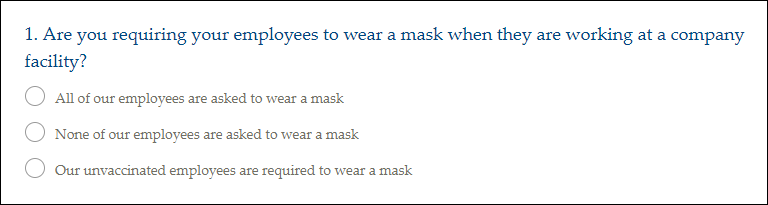
Most notably, says Wilson, is the fact that only 39% of employers are requiring their workers to mask up when on the job.
 A new study from the



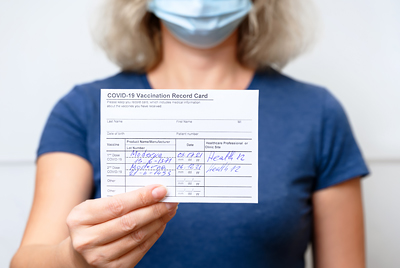 Yesterday President Biden directed the Labor Department to mandate that any companies with more than 100 employees either require the COVID vaccination or COVID test all their employees once a week.
 An Illinois appeals court recently upheld a ruling deeming that Hobby Lobby’s bathroom policies violated a transgender employee’s human rights. Hobby Lobby now must pay the employee $220,000 in damages, along with potential additional damages and fees.