When the COVID-19 pandemic began, remote work was a fringe benefit at many organizations. Now, nearly 40% of employees have transitioned to remote working arrangements. This signals the new workplace reality: Remote work is here to stay.
Unfortunately, that’s not a welcomed change for many people. Namely, some employers are concerned about burnout and dwindling employee connections. Considering that impromptu hallway talks and quick chats after meetings are effectively gone, this sentiment is understandable. With workers virtually isolated, it can seem like entire teams have been broken up into individual silos, no longer operating in tandem.
However, remote work doesn’t need to come at the cost of human connections. With a little effort, employers can help foster virtual connections among their employees. And that’s important, especially given that 43% of workers consider team building and collaboration as critical workplace aspects.

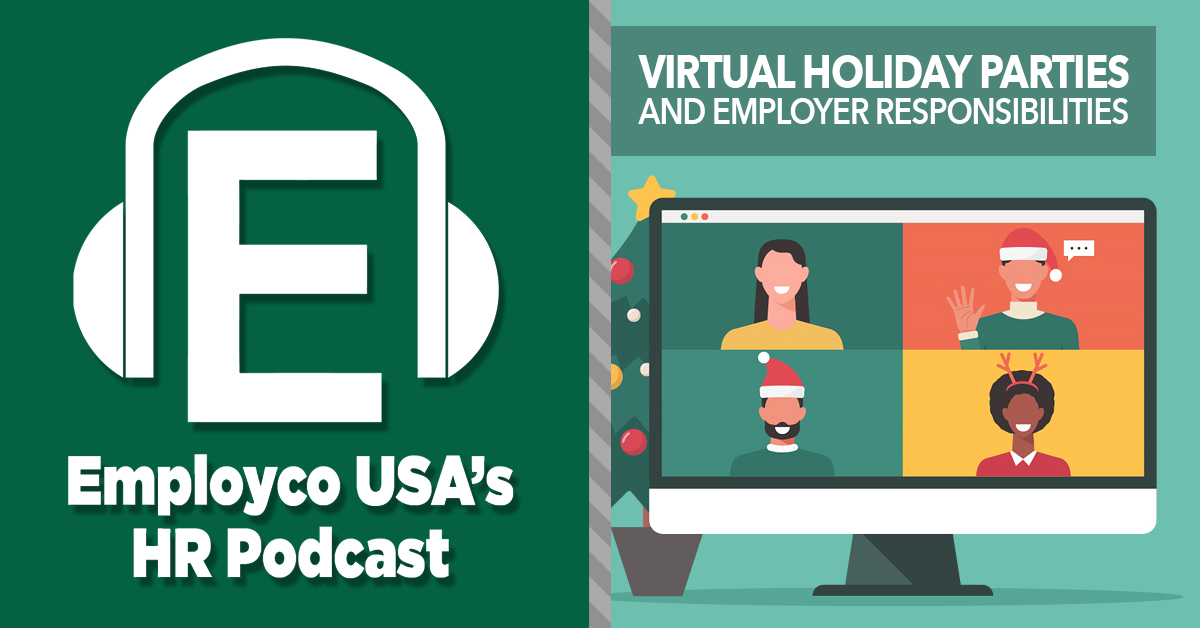
 Many employees were asked to sign waivers promising their employers that they would not travel or attend mass gatherings this Thanksgiving season. As we head into another round of holidays, it is expected that even more employers will ask employees to refrain from traveling or gathering with their families. But do employers have this right, and to what extent can companies enforce these COVID-19 policies?
 With the COVID-19 pandemic, many people were forced to cancel their vacations, weddings, cruises, and other planned leisure activities. As a result, workers across the country have collected many days’ worth (or even weeks’ worth) of paid time off, which will need to be used by year’s end or could be potentially lost forever.
 Qantas Airlines made global news this week when their CEO said they would require international travelers to be vaccinated for COVID-19.