Employment expert Rob Wilson provides commentary on this new ruling and its expected impact on American business owners
 In January, the Department of Labor clarified long-standing workplace disputes regarding joint-employer liability. In new provisions to the Fair Labor Standards Act (FLSA), the DOL has finalized regulations regarding an employee’s ability to consider franchisors to be joint employers and therefore liable for alleged workplace wrongdoings at franchise locations.
“The Department of Labor’s ruling was published in the Federal Register on Jan. 16, and it will go into practice 60 days after this publication date,” says Rob Wilson, human resources expert and President of Employco USA, a national employment solutions firm. “In part, their new provisions have clarified under what circumstances a franchisor can be considered a joint employer of a franchisee employee.”
Franchisors should be satisfied with these new clarifications to the Fair Labor Standards Act (FLSA), says Wilson.
 Today the U.S. House of Representatives will vote on “Protecting Older Workers Against Discrimination Act” (POWADA), a bill which many say will pass with bipartisan support.
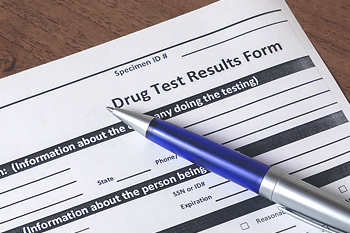 Starting on January 1st, Nevada became the first state in the nation to make it illegal for a company to discriminate against potential hires who test positive for marijuana during drug screening.
 After shocking crimes of sexual assault came to light thanks to the #MeToo movement, many employers have been inspired to rededicate themselves to making their workplaces safer and more equitable for men and women. But, starting January 1, 2020, new changes to sexual harassment policies will require all companies to pay closer attention to this very important issue.
 In June, the Illinois House of Representatives voted 66-47 to allow the possession and sale of marijuana beginning Jan. 1, 2020. With just weeks until weed becomes legal, employers need to consider how this may impact employees and the workplace.
 Exchanging holiday gifts in the workplace is often a tricky affair. The rules tend to be ambiguous, and expectations tend to vary widely from employee to employee. Luckily, there are several things that managers and HR personnel can do to make the holidays more joyful.
 With the New Year just weeks away, employers need to start considering upcoming changes to minimum wage law that will become effective on Jan. 1, 2020. Several states, including Illinois, Arizona, Colorado, and Florida are seeing minimum wage hikes.