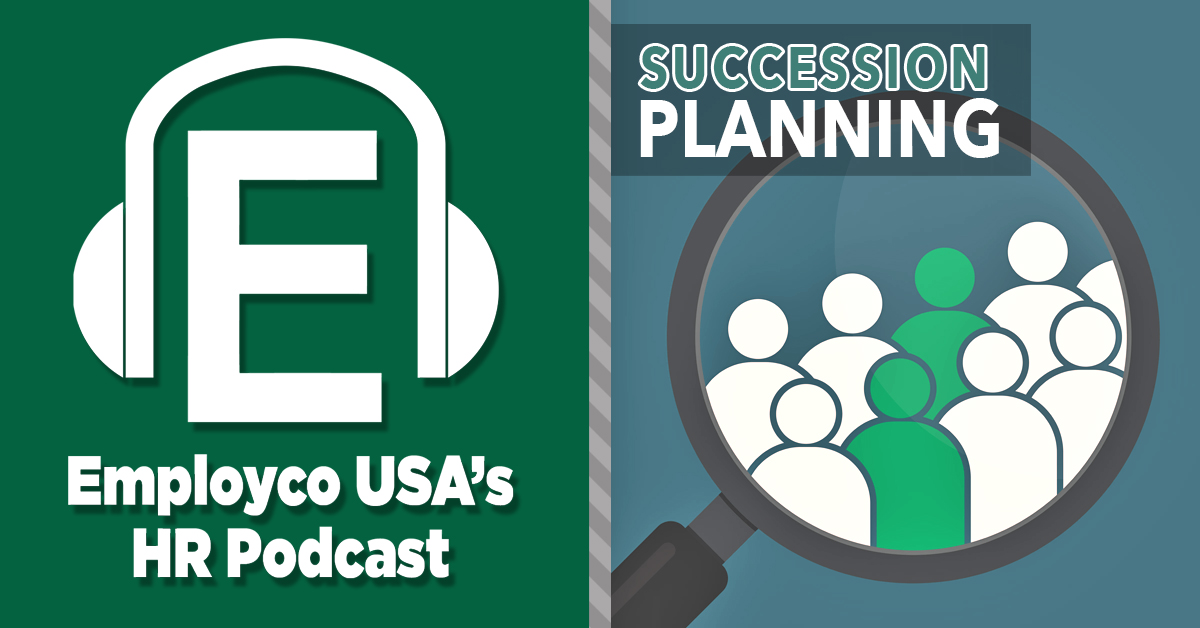
Human resources expert shares effective, actionable tips for how you can start succession planning
 Research shows that most business owners are not as concerned with succession planning as they should be. Only a small minority of businesses have a succession plan for when their CEOs retire or switch companies, and this can be a very costly mistake.
“Scrambling for a CEO has been shown to cost upwards of $1.8 billion in shareholder value for public companies,” says Rob Wilson, employment trends expert and President of Employco USA, a national employment solutions firm. “Another issue with lack of preparedness around successions is that companies end up hiring ineffective CEOs, which again harms a company’s bottom line and employee performance. Indeed, 27 percent of companies have been negatively impacted by poor succession planning.”
Wilson also points out that C-level employees are not the only ones who pose a serious loss to the company when they leave. “Whether it’s a key person in your I.T. department or your marketing department, losing long-term, highly-skilled and experienced staff is going to be a blow to your company.”
So, what should employers do to ensure that these successions are as smooth and seamless as possible?
“First, look at your key personnel on every level of your staff,” says Wilson. “How deep is your bench? Don’t presume that just because an employee is young and not near retirement that you don’t need to worry about their successor at some point. Be prepared for all possible scenarios, including family emergencies, health crises and leaving the state for spouse’s employment changes or other reasons.”
Continue reading →
 As the country continues to process the news that Eric Trump was spit on at The Aviary in Chicago, the upscale cocktail bar has released a statement regarding the incident. The statement reveals that the employee is on leave, but says they will not comment further about any internal H.R. matters at this time.
 Illinois lawmakers made a historic decision when they voted to legalize recreational marijuana use last Friday. The House of Representatives voted 66-47 to allow possession and sales beginning Jan. 1, 2020. But how will this decision impact employers and the workplace?
 Statistics show that 95 percent of managers are dissatisfied with their company’s performance review process, and 42 percent of employees agree that performance reviews are ineffective. So how can companies better review and maintain their staff’s performance?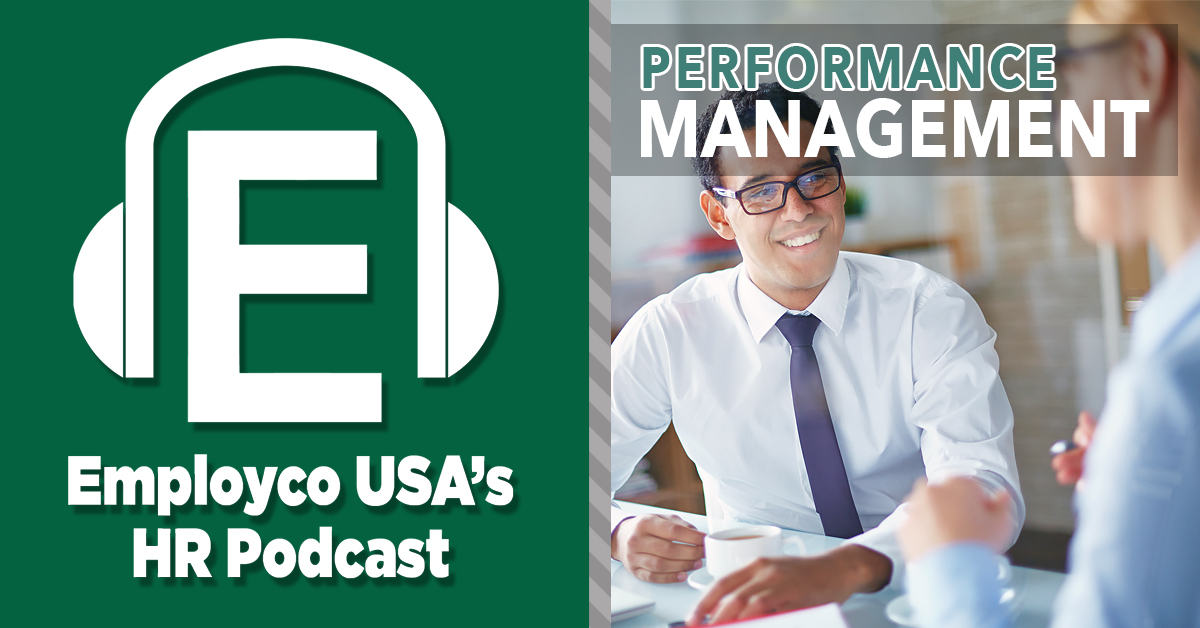
 Many large employers are starting to consider offering their employees paid family leave, but
  Important changes are afoot for the Employer Information Report EEO-1 (EEO-1 Report). Employers with 100 employees or more must file this report each year, but this year the EEO-1 will be more complicated than in the past.
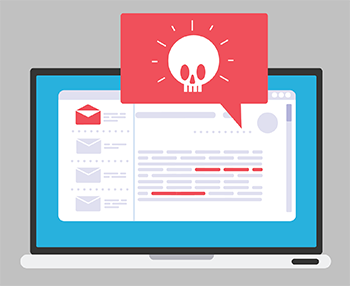 Phishing scams cost the United States half a billion dollars each year. From direct deposit scams to fraudulent PDF files, there has been a shocking rise in these email phishing scams. Indeed, Microsoft’s Security team reports that these malicious phishing emails have increased by a whopping 250 percent.