Human resources expert offers advice on dealing with workplace conflict in today’s political climate
 Research shows that 85 percent of employees say that they experience workplace conflict, with over 2 hours a week being spent on navigating workplace drama. Workplace conflict is not just stressful and unpleasant, it can have a major impact on employee productivity. Indeed, conflicts in the workplace cost companies about $359 billion dollars in paid hours.
Rob Wilson, human resources expert and President of Employco USA, an employment solutions firm with locations across the country, says:
“In today’s culture, employees aren’t just together when they’re literally on the job: they’re together all the time thanks to technology like Skype, WhatsApp, Slack and other coworker communication apps. Not to mention, our current political climate is so divisive right now, and social media only further encourages arguments and discord among your staff.”
Wilson, who has worked directly with many clients who have required assistance managing conflict within their workplaces, says that research shows that workplace conflict is on the rise. “From personality clashes to overwork to poor management, workplace conflict is inevitable and it’s actually getting worse,” he says.
So how can employers be proactive about workplace conflict?
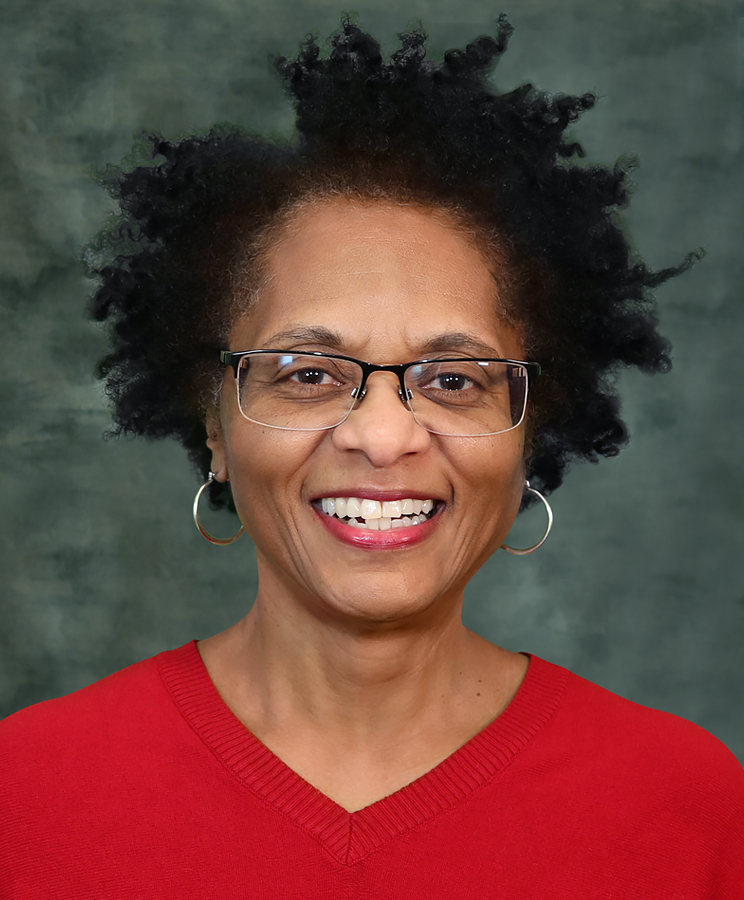 Teresa Chambers, Workers’ Compensation Claims Coordinator – Teresa will be handling claims related to Employco’s master workers’ compensation program.

 Research shows that violence at
 With Valentine’s Day approaching, love is in the air, even in the workplace…especially for those in the HR industry. The new “
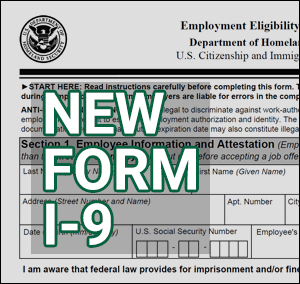 The U.S. Citizenship and Immigration Services (USCIS) just published a new Form I-9 for employers to begin using immediately. The Form I-9, which is used to verify new hires’ identity and employment authorization to work in the United States, now includes several changes.
 The 62nd Grammy Awards made headlines for performances from Lizzo and Billie Eilish, but what really caught the public’s attention was the scandal brewing just below the evening’s surface. Just 10 days before the ceremony, the Academy’s first female CEO and President, Deborah Dugan, was put on administrative leave. She has filed charges of sex-based discrimination in the workplace, sexual harassment at the hands of Joel Katz (the Recording Academy’s general counsel), as well as voting corruption and more.